
Transforming Your Home: Practical Ideas for a Better Living Space
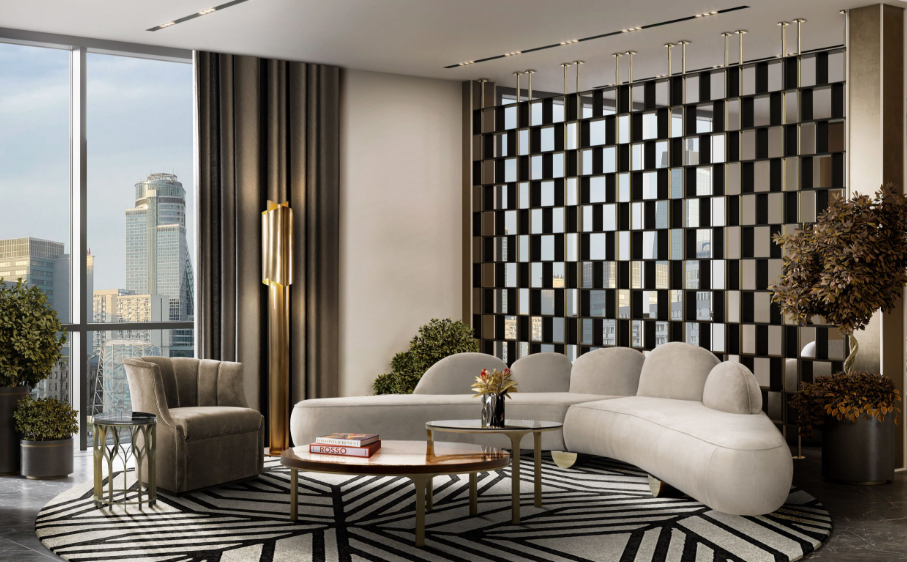
A home is more than four walls and furniture. It is the place where everyday routines happen, memories are created, and people find comfort after a busy day. That is why home improvement does not always require a complete renovation. Sometimes, thoughtful changes to layout, lighting, storage, colors, and functionality can completely transform the way a home feels.
The best improvements are those that make a space more comfortable while also making everyday life easier.
Start by Understanding Your Space
Before buying new furniture or beginning a renovation, take a close look at the rooms you already have. Consider how each space is being used and identify areas that feel crowded, empty, dark, or difficult to organize.
A room may not need more furniture; it may simply need a better arrangement. Moving furniture away from walkways, creating clearer zones, and removing unnecessary items can instantly make a room feel more spacious.
Improve Lighting for a Different Atmosphere
Lighting has a surprisingly strong effect on a home’s appearance. A room with good natural light can feel open and welcoming, while poorly positioned lighting can make even a beautifully decorated space feel dull.
Try combining different types of lighting rather than relying on one central fixture. Ceiling lights can provide general illumination, while table lamps, wall lights, or focused lighting can add warmth and functionality.
Mirrors can also help reflect available light and create the impression of greater depth.
Create Smarter Storage
Clutter is one of the quickest ways to make a home feel uncomfortable. Instead of simply adding more cabinets, think about using unused areas creatively.
Shelves above desks, storage beneath beds, baskets in open spaces, and organizers inside cabinets can provide additional room without dramatically changing the layout.
Good storage should make frequently used items easy to access while keeping less-used belongings neatly organized.
See also: 20xbusiness.com
Give Walls a Fresh Identity
Walls provide one of the easiest opportunities to change the character of a room. A new paint color can create a completely different atmosphere without requiring a major renovation.
For a more distinctive look, homeowners can consider an accent wall, framed artwork, photographs, decorative shelving, or textured materials. The goal is not to fill every empty wall but to create visual balance.
Upgrade High-Use Areas
When planning a home improvement project, focus on areas that receive the most daily use. Small upgrades in the kitchen, bathroom, entrance, or living room can have a noticeable effect.
Replacing worn hardware, improving organization, updating fixtures, or repairing damaged surfaces can refresh a space without requiring a complete redesign.
Prioritizing high-use areas can also help homeowners spend their renovation budget more thoughtfully.
Bring Nature Indoors
Plants can add life and personality to a home. Even a few carefully positioned plants can introduce natural textures and make an interior feel more welcoming.
For rooms with limited natural light, choose plants that are suitable for those conditions. Decorative pots and plant stands can also become part of the overall design.
Make Energy Efficiency Part of the Upgrade
Home improvement can also be an opportunity to reduce unnecessary energy use. Sealing obvious drafts, improving insulation where appropriate, using efficient lighting, and maintaining heating or cooling equipment can contribute to a more comfortable home.
Energy-efficient improvements may also help reduce household running costs over time, although the savings will depend on the property and the specific upgrades.
Don’t Forget Outdoor Spaces
A home’s improvement does not have to stop at the front door. Balconies, patios, gardens, and entrances can also benefit from simple upgrades.
Comfortable seating, outdoor lighting, plants, clean pathways, and organized storage can turn an overlooked outdoor area into a useful extension of the home.
Even a small balcony can become a pleasant place to relax when its available space is planned carefully.
Choose Improvements That Match Your Lifestyle
A beautiful home should also be practical. A family with children may have different priorities from someone living alone, while someone who works from home may need a dedicated workspace.
Before starting a project, ask a simple question: Will this change make everyday life easier or more enjoyable?
If the answer is yes, the improvement is more likely to provide lasting value.
Conclusion
Home improvement is not simply about making a property look newer. It is about creating a space that works better for the people who live there.
Better organization, thoughtful lighting, practical storage, fresh colors, comfortable furniture, energy-conscious upgrades, and useful outdoor areas can all contribute to a more enjoyable home.
The most successful improvements often begin with small observations. Once you understand what your home needs, even modest changes can create a noticeable transformation.
One Comment